Thank you for Subscribing to Eldercare Review Weekly Brief
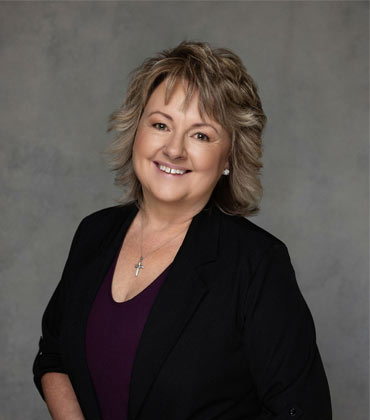 Sheri Godfrey, Founder
Senior Relocation: We’re Moving Someone’s Life
My understanding of senior transitions began when I worked as a live-in manager in an independent retirement community. I had a front-row seat to both sides of the transition. I saw families exhausted by sorting, packing and making decisions about decades of memories - but I also saw what happened after the boxes arrived.
There were times when a parent would move in, the family would help them settle, then close the door and return home. Suddenly, that older adult was in a new home, surrounded by new faces and a new routine, with very little that felt familiar.
That stayed with me. It taught me that a successful move isn't measured only by whether everything arrives on time. It is also about how supported someone feels and how quickly a new space begins to feel like home. We pay attention to the practical details, but also to the familiar chair, family photographs, favourite coffee mug and routines that help someone feel grounded.
We're not simply moving belongings. We're helping someone move their life.
Downsizing Decisions: Ask Which Memories Should Stay
We often underestimate how many decisions are involved - and how emotional those decisions can be. To an adult child helping a parent downsize, a small trinket, old photograph or well-used kitchen item may seem insignificant. To the person who has lived with it for decades, it may represent a wedding, family vacation, loved one or important chapter of their life.
I encourage families not to begin with, "What are we getting rid of?" Instead ask, "What memories would you like to take with you?" Then listen to the stories behind the things they choose. That simple shift changes the conversation from loss to preserving what matters.
And start early. One drawer, one cupboard or one small area at a time is enough. Downsizing decades of life takes emotional energy as well as physical energy.
Before deciding something has no value, take the time to understand why it matters.
Move Management: Start with Person, Not Property
We begin with the person, not the property. Sometimes a family calls thinking they need to sell a house when what they really need first is help understanding their options. Can the person remain safely at home with support? Would a smaller home work? Is retirement living appropriate? What can they afford? What needs to happen first?
Once the destination and priorities are clearer, we work backwards and build one coordinated transition plan - housing, downsizing, preparing the home for sale, packing, movers, timelines and setting up the new space.
My practical advice is to create one master transition plan , rather than separate lists for the house, move and care needs. These decisions affect one another. The goal is to coordinate the pieces so the senior and family don't have to become project managers during an already emotional time.
Dignified Transitions: Walk Beside, Don’t Take Over
One of the most meaningful things a family member has ever said to us was simply, "Thank you for speaking to my mom." It stopped me for a moment because, of course, we should be speaking to her. She was the person making the transition.
-
A senior transition isn’t simply about changing where someone lives. It’s about honouring the life they’ve built, protecting the choices they still have, and walking beside them as they decide what comes next.
Yet we often see conversations happening around an older adult rather than with them. Adult children are understandably trying to help, professionals are asking questions and everyone is focused on getting things done - but the person whose life is changing can lose their voice.
The older adult can offer insight, share what they want, tell us what they're afraid of and identify what matters most. So we speak to them. We listen. We ask rather than assume. We involve them in decisions wherever possible.
We don't take over their transition. We walk side by side and let them lead. To me, that's where dignity begins.
Unexpected Moves: Support Means Managing the Pieces
A hospital visit isn't always part of the transition plan - but sometimes it suddenly becomes the reality. We were working with a family where we believed time was on our side. The plan was to take things gradually, allowing their loved one to remain at home while we worked through the next steps. Then a health crisis changed everything.
The timeline and order of priorities had to change. Safety and security came first, and what we expected to be a gradual transition became a much quicker move into a retirement community.
Our role was to reorganize the moving pieces - adjust the plan, coordinate what needed to happen and keep things progressing - so the family didn't have to manage a crisis and a relocation at the same time.
Sometimes the greatest support we can give a family is taking care of the logistics so they can simply be present with the person they love.
Future Planning: Independence Needs a Plan B
Our elders are living longer and remaining in their homes longer, which is wonderful - but it also makes planning ahead increasingly important. One statement I hear often is, "I'm going out of this house feet first." The difficult reality is that "feet first" is often preceded by a call to 911. Suddenly, a family that thought it had more time is making major decisions in the middle of a health crisis.
We aren't having enough pre-planning conversations. Parents understandably want to believe they can remain home forever, while adult children are busy with their own families and careers and living with the very human hope that Mom and Dad will simply keep doing well.
I encourage every family to have a Plan B . It doesn't mean someone has to move. It means asking while there is still time: If home no longer works, what would you want? Where might you go? What support would you need? Who needs to be involved?
Planning isn't about taking away independence. It's about protecting it.
Company :
Senior Transitions
Management Sheri Godfrey, Founder
Description
My understanding of senior transitions began when I worked as a live-in manager in an independent retirement community. I had a front-row seat to both sides of the transition. I saw families exhausted by sorting, packing and making decisions about decades of memories - but I also saw what happened after the boxes arrived.